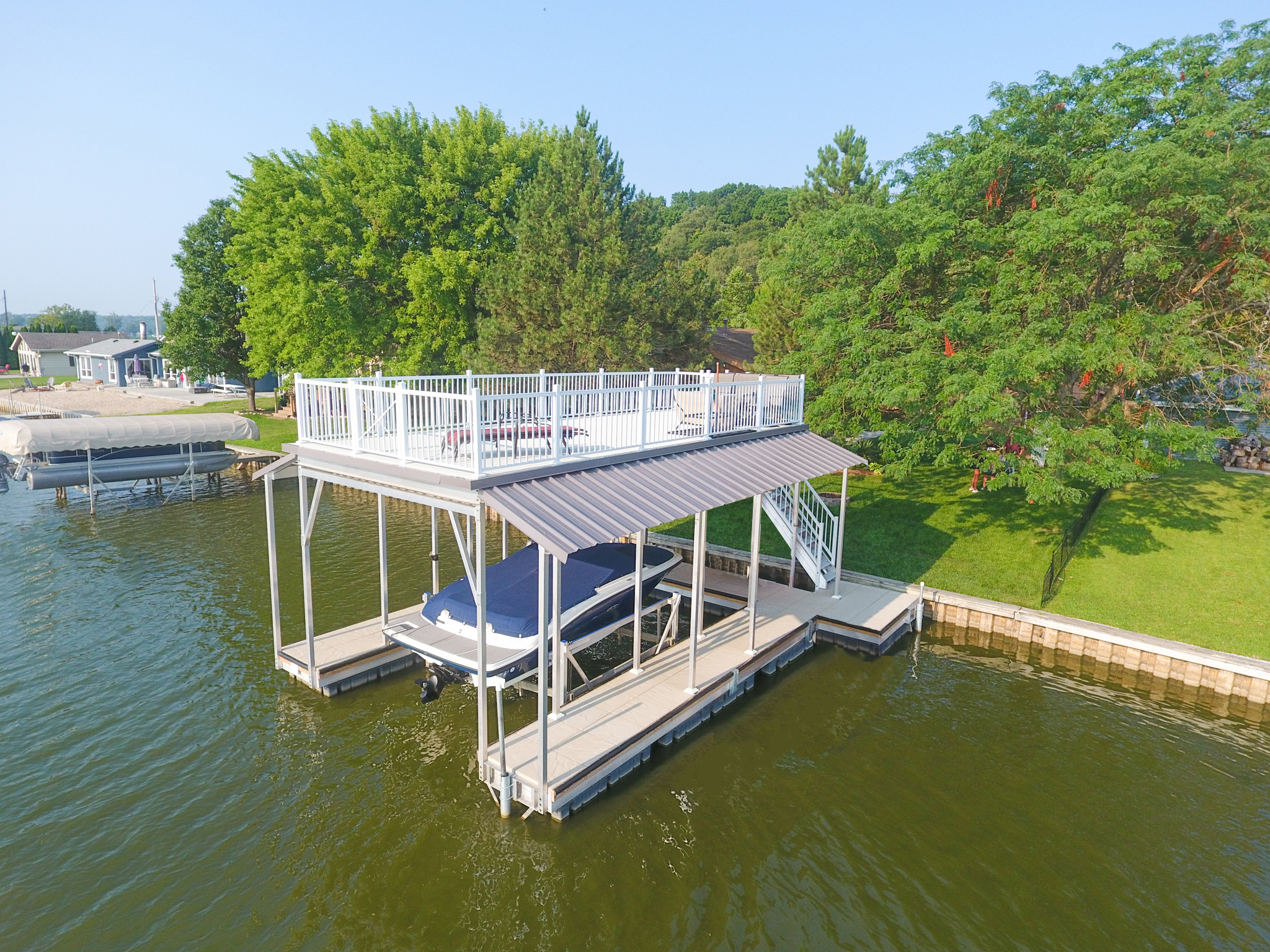
Dock Planning Guide: How to Choose the Right Dock for Your Waterfront
Plan Your Dock the Right Way—Step by Step
Choosing the right dock doesn’t need to feel overwhelming.
When you break it down into a few key decisions—your water, your usage, and your future plans—it becomes much easier to choose a system that works not just today, but for years to come.
Follow these five steps to plan your dock the right way.
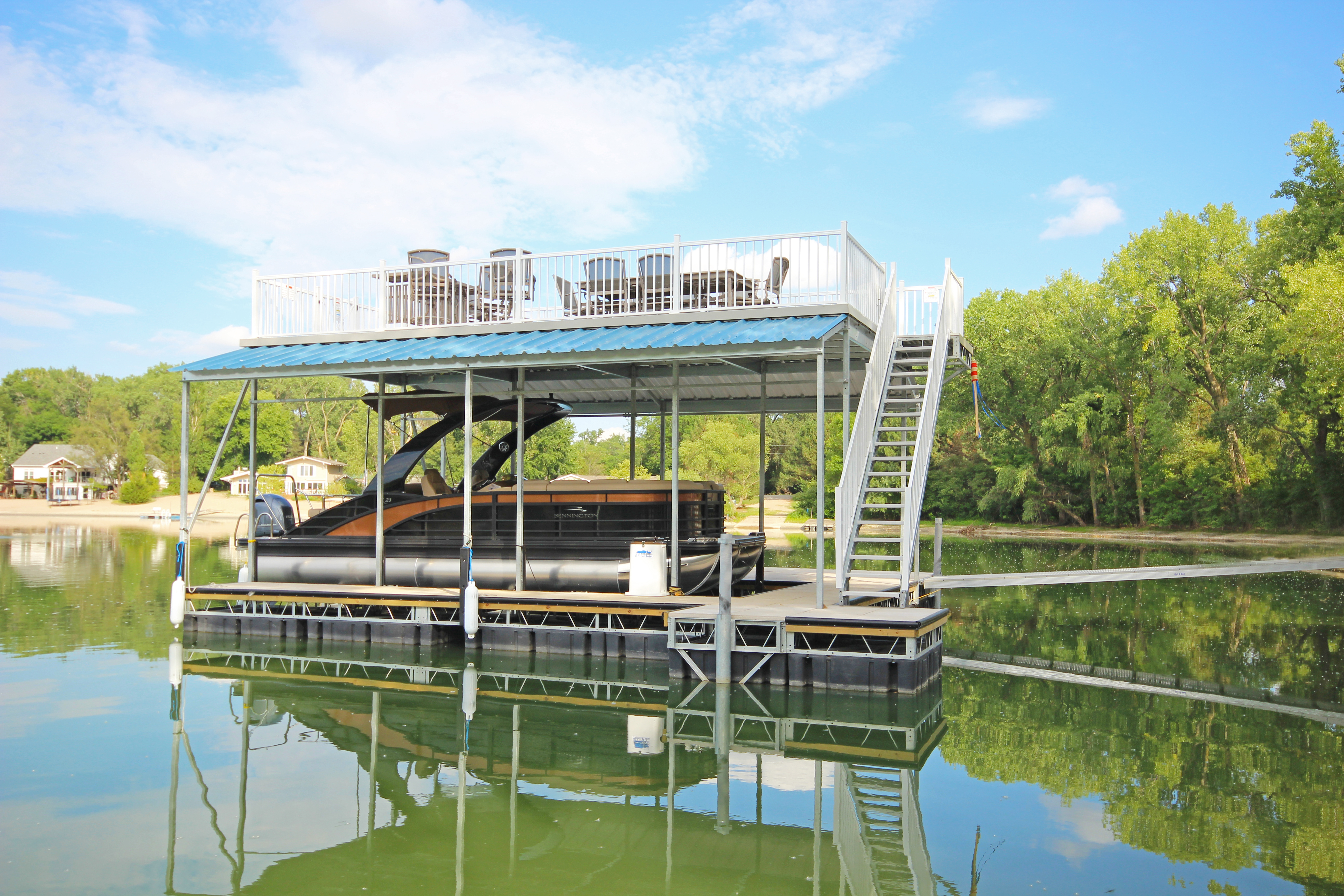
STEP 1: IDENTIFY YOUR WATER TYPE
Your water conditions are the foundation of every decision.
Different environments demand different materials, anchoring systems, and structural strength.
|
|
|
|
Freshwater Lakes & Rivers
| Brackish Water
| Saltwater & Coastal
| Rough Water or High-Wake Areas
|
👉 Best options: All models, with RhinoSteel excelling in stability | 👉 Best options: Aluminum systems (X7, M10, M11) | 👉 Best options: Aluminum systems (X7, M10, M11) | 👉 Best options: M11 or RhinoSteel |




MATERIALS MATTER
Aluminum Docks → Best for saltwater and corrosion resistance
Steel Docks → Best for freshwater and maximum stability
Choosing the wrong material for your water is one of the most common (and costly) mistakes.
STEP 2: WILL YOUR DOCK STAY IN YEAR-ROUND?
This decision shapes your entire dock system.
Year-Round (Permanent) Docks
Designed to stay in the water
Built for durability and long-term performance
Handle changing conditions without removal
👉 RhinoDock systems are engineered for this
Seasonal / Removable Docks
Taken out during winter or off-season
Lighter and more flexible
👉 Explore ShoreMaster or PolyDock Products
If your dock stays in year-round, you need a system designed for real-world conditions—not just seasonal use.
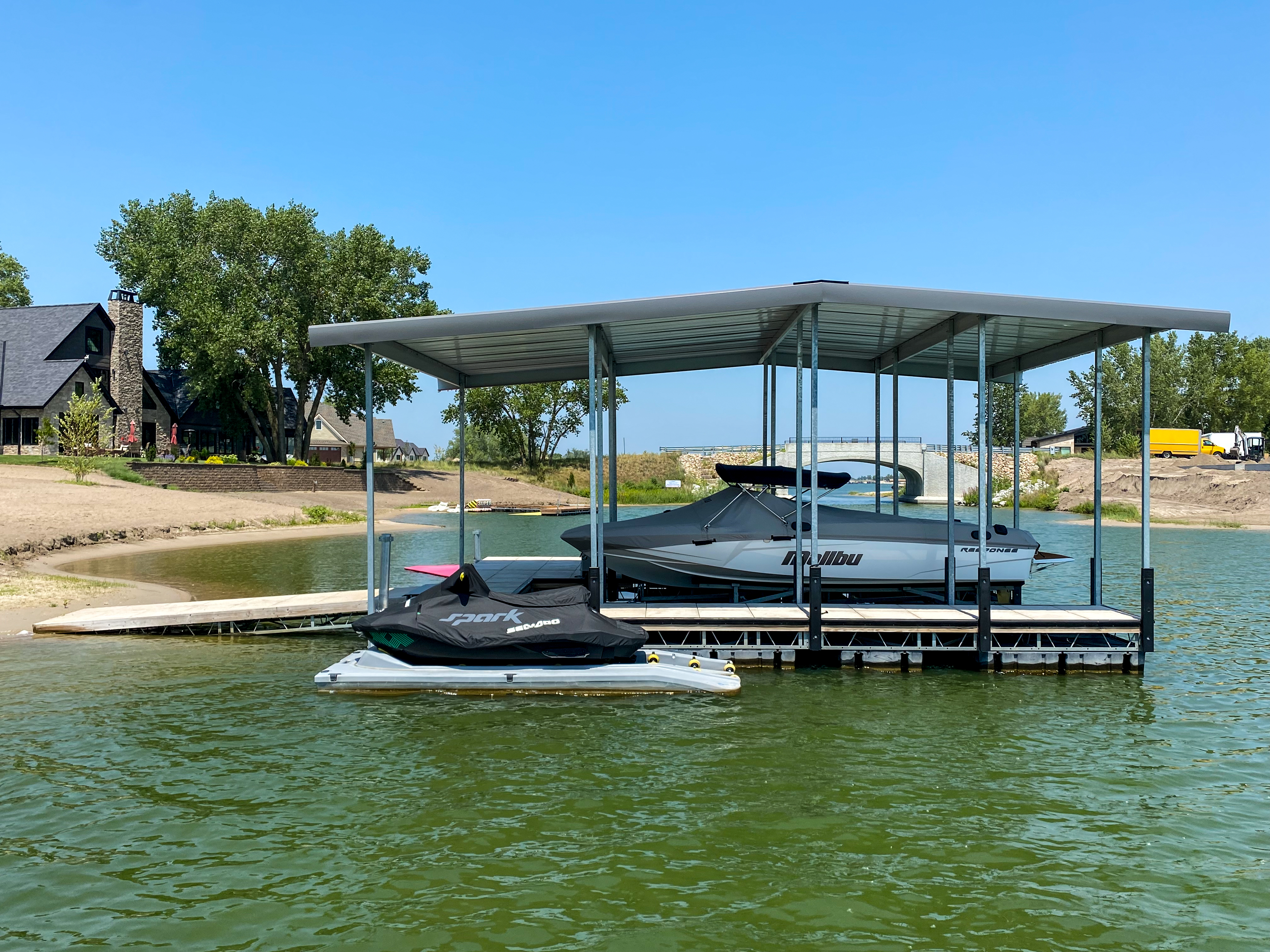
STEP 3: HOW WILL YOUR USE YOUR DOCK?
|
|
|
|
|
Simple Access
| Lifestyle & Entertaining
| Growth, Utilities & Expansion
| Heavy Traffic or Rough Conditions
| Maximum Stability & Infrastructure
|
👉 Best fit: F5 | 👉 Best fit: X7 | 👉 Best fit: M10 | 👉 Best fit: M11 | 👉 Best fit: RhinoSteel |


PLANNING FOR THE FUTURE
Many dock owners start simple—but later want;
Roofing or covered slips, Expanded layouts, Utilities, Seating and accessories
Choosing a system that supports these upgrades from the start prevents costly rebuilds later.
STEP 4: PLAN YOUR DOCK LAYOUT
Your layout determines how your dock actually functions day to day.
What Impacts Dock Cost
Dock cost is driven by:
Size and layout complexity
Material (aluminum vs steel)
Decking choice
Utilities and accessories
Anchoring conditions
The biggest cost mistake isn’t spending too much—it’s choosing a system that needs to be replaced later.
Common Layouts
| Decking Considerations Your decking affects comfort and performance:
|
Think Beyond Today
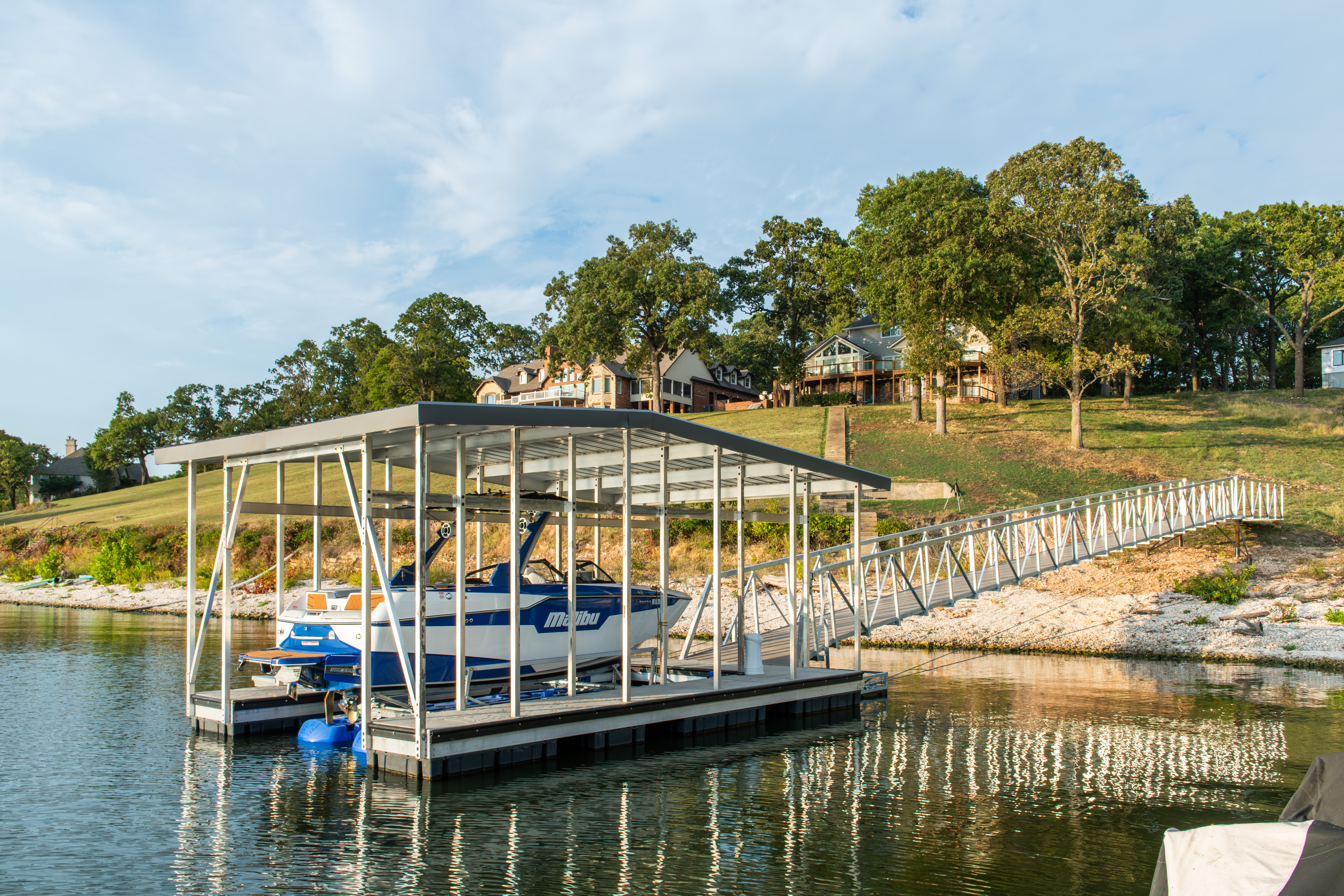
Plan space for: Walking paths, Seating areas, Boat movement, and Future expansions.
STEP 5: AVOID THESE COMMON MISTAKES
Most dock problems can be traced back to planning.
What Most Dock Owners Wish They Knew
It’s easier to plan ahead than retrofit later
Stronger systems reduce long-term issues
The right dock feels better every time you step on it
Common Mistakes
Choosing based on price instead of long-term use
Not planning for utilities or expansion
Using the wrong material for your water
Underestimating traffic or load
Locking into a system that can’t evolve