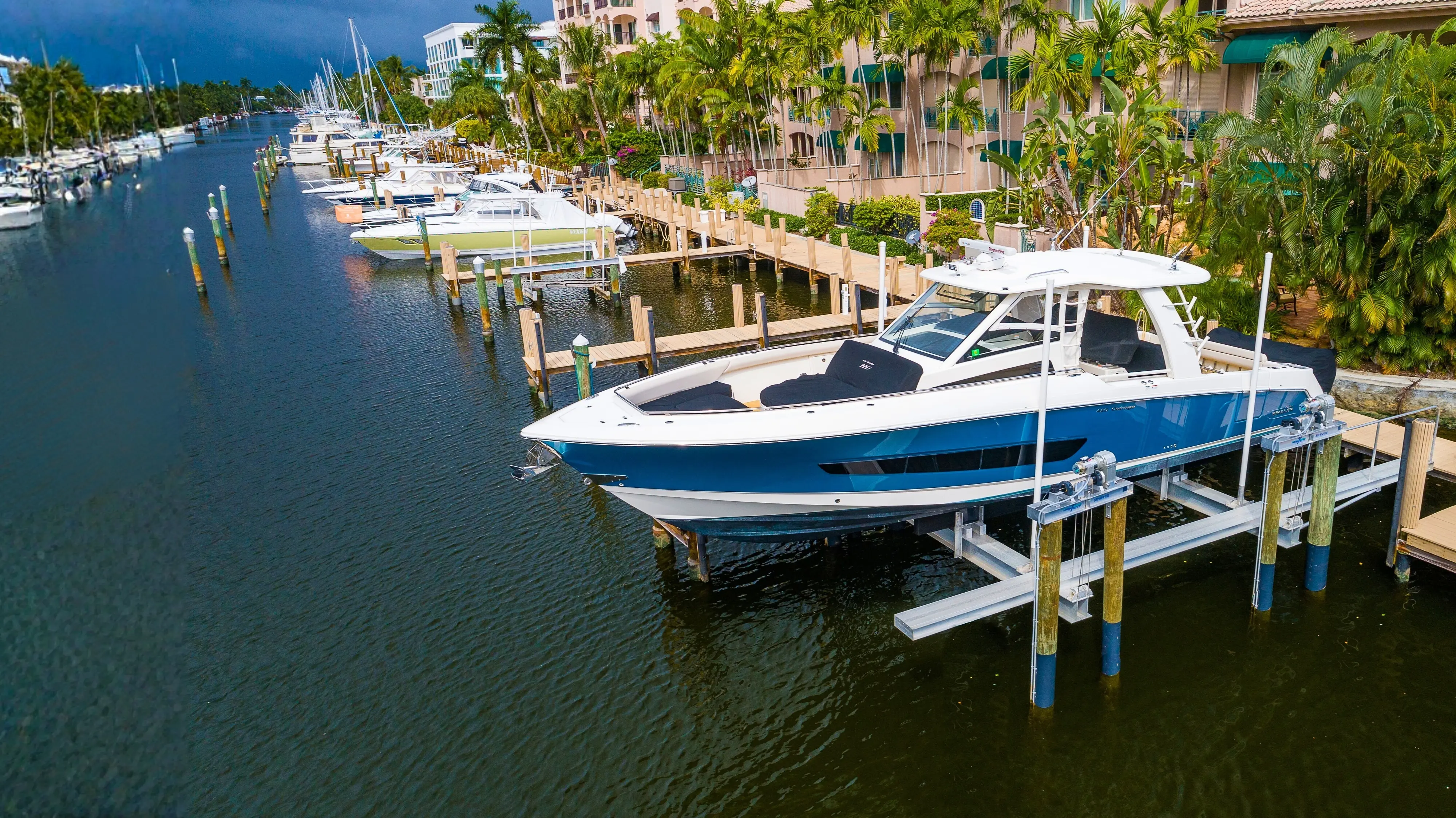
What Waterfront Property Owners Should Know
Boat lift permits help regulate waterfront construction and protect Florida’s waterways. Depending on the location and scope of the project, local governments, environmental agencies, and federal agencies may review boat lift installations to confirm they meet applicable safety, environmental, building, and navigation requirements.
Permit requirements vary by city, county, waterway, dock configuration, environmental conditions, and project type. Before installing or modifying a boat lift, property owners should confirm requirements with the local building department, a qualified marine contractor, or the appropriate permitting authority.
Boat lift permitting may help address concerns such as:
Maintaining safe navigation channels
Protecting marine habitats, wetlands, mangroves, and seagrass beds
Ensuring dock and lift structures meet applicable building codes
Maintaining setbacks from neighboring waterfront properties
Reducing conflicts with adjacent docks, seawalls, and waterways
Confirming that construction is appropriate for the site
These regulations help balance waterfront access, boating convenience, public navigation, and environmental protection.
Why Boat Lift Permits Are Required
Boat lifts are installed in sensitive waterfront areas where construction can affect docks, seawalls, submerged lands, marine habitats, and navigable waterways. In Florida, Environmental Resource Permit applications and state-owned submerged lands authorizations may be processed through DEP district offices, water management districts, or delegated local governments, depending on the project and location.
Some projects may qualify for an exemption, self-certification, general permit, or simplified review, while others may require a more detailed permit application. The Florida Department of Environmental Protection recommends contacting the appropriate local office to determine permit requirements for a specific project or location.
How Dealers and Marine Contractors Help
Many boat lift installations are handled by licensed marine contractors or authorized dealers who are familiar with local permitting requirements.
These professionals can often assist with:
Evaluating dock and waterfront conditions
Reviewing boat size and lift capacity needs
Determining whether the site is better suited for a piling-mounted, seawall-mounted, boathouse, beamless, or yacht lift system
Preparing permit applications
Coordinating required documentation
Communicating with local permitting offices
Ensuring the lift installation meets regulatory and site requirements
Neptune manufactures boat lifts in Fort Lauderdale and sells through licensed marine contractors who permit, sell, install, and service Neptune products. Working with an experienced installer can help reduce the risk of delays, design conflicts, or permitting issues.
Permitting Is Part of Choosing the Right Lift
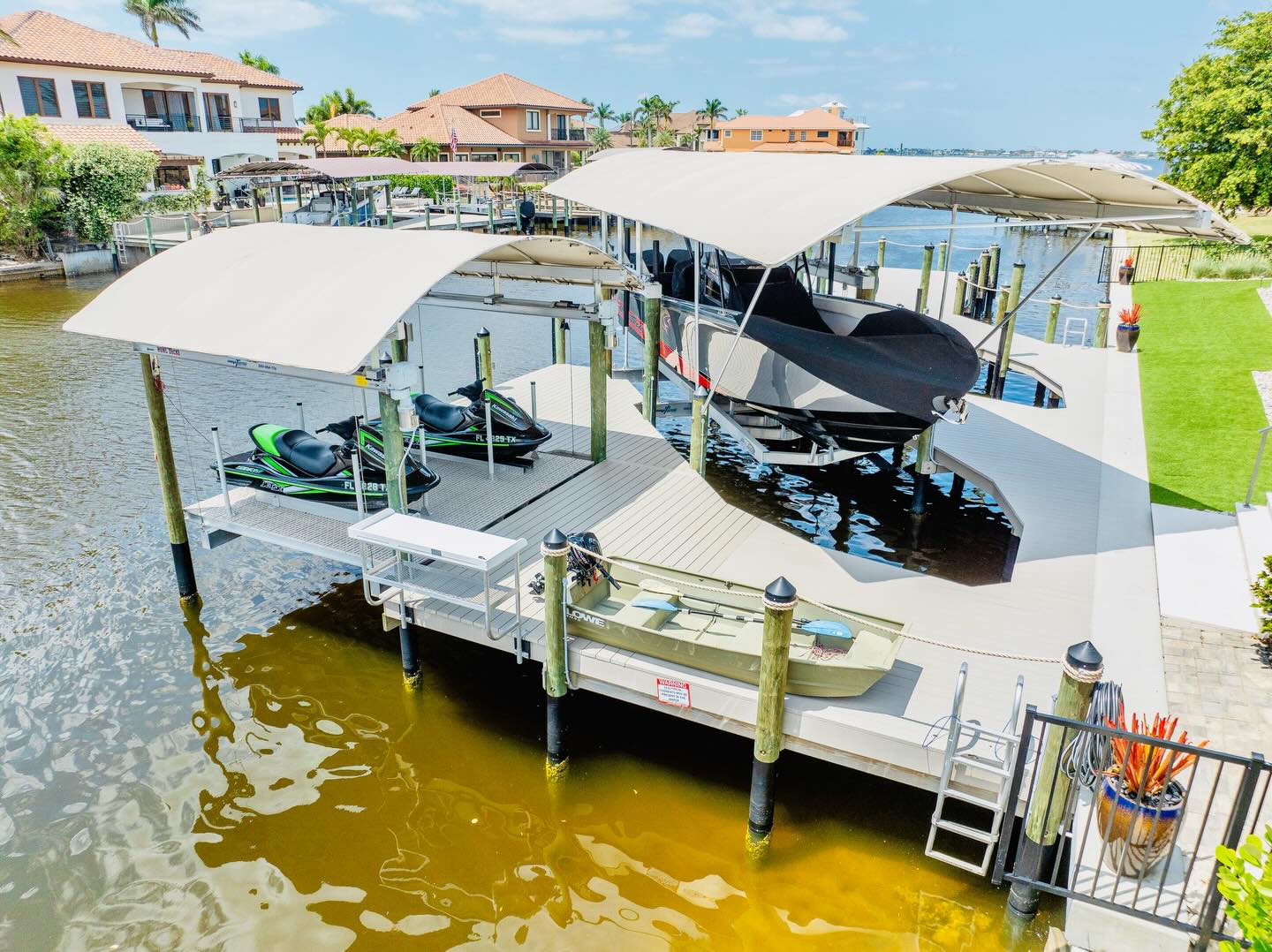
The best boat lift for a property is not determined by boat size alone. Permitting requirements, dock layout, seawall condition, piling placement, water depth, canal width, navigation setbacks, and environmental conditions can all influence which lift system is appropriate.
For example, a four-post lift may be ideal for open slips with suitable pilings, while an elevator lift may be better for seawall-mounted applications or narrow canal conditions. Yacht lifts, beamless lifts, and boathouse lifts may require additional planning depending on the size of the vessel and the structure of the property.
A qualified marine contractor can help evaluate both the lift requirements and the permitting path before installation.
Choosing the Right Boat Lift for Your Property
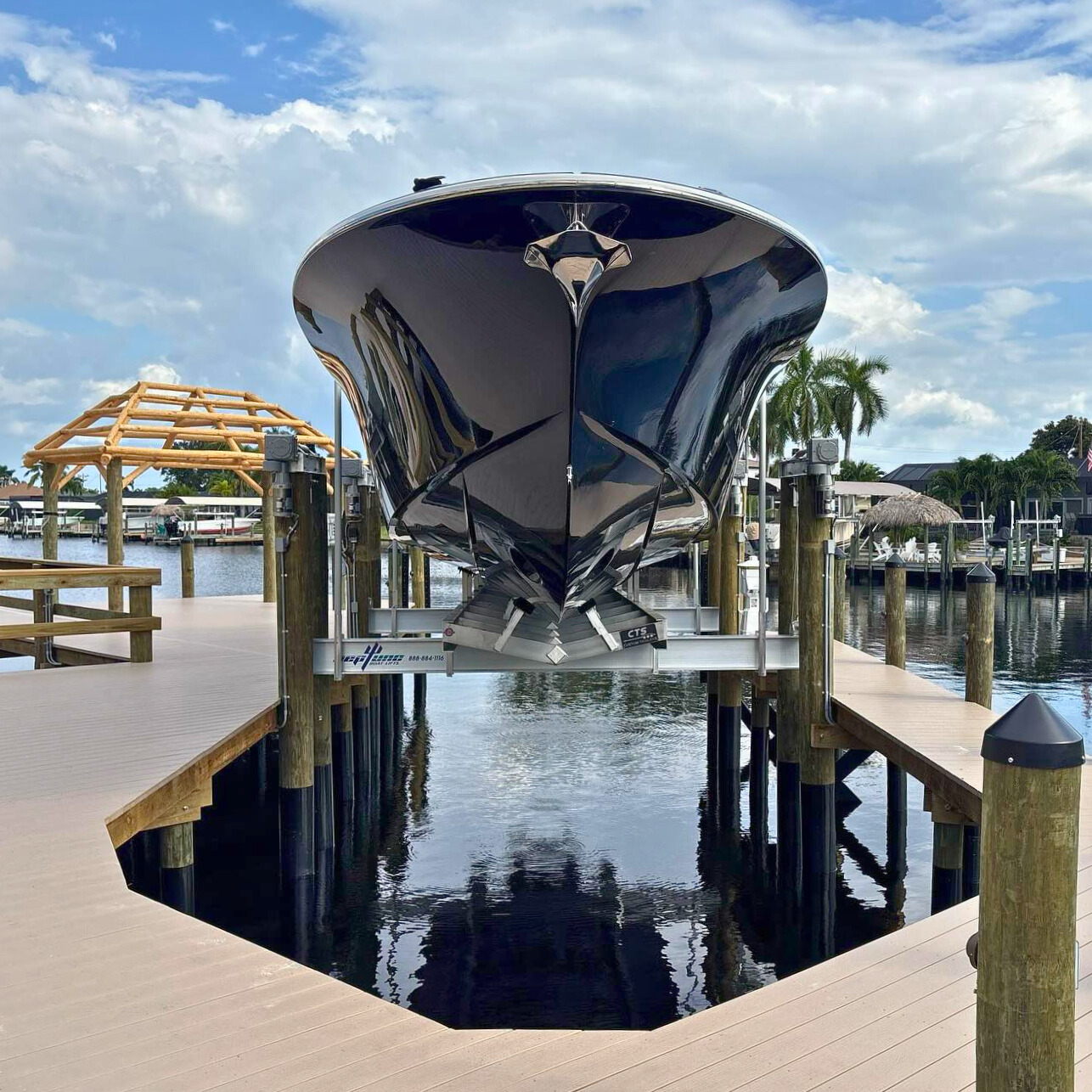
Once permitting requirements are understood, the next step is selecting the lift system that best fits your waterfront conditions.
Explore lift solutions including:
Every waterfront property is different. The right lift should match the vessel, dock structure, water depth, permitting requirements, and long-term use of the property.


